
Directory Wssistercities
One of the first steps to finding what’s right for you is to figure out where you are right now. If you are sedentary, then your dietary plan should

Health And Diet

In this video you’ll learn about the variety of food groups to help maintain a healthy body! https://www.napavalleyonline.com
When it comes to what you bite, chew and swallow, your choices have a direct and long-lasting effect on the most powerful organ in your body: your brain. So which
About the brain and memory. https://www.napavalleyonline.com
Continue ReadingA review of digestion-updated to be more specific to the leaving cert biology course. https://www.napavalleyonline.com

The waiting room felt unusually calm for a Thursday evening. A young attorney scrolled through work emails while sipping from a reusable water bottle.
Nearby, a healthcare administrator talked about weekend meal prep with a friend.
Conversations like these are becoming more common inside clinics offering aesthetic treatments in Ann Arbor, where beauty routines are starting to overlap with sleep habits, nutrition goals, and stress management.
For many professionals, self-care no longer means an occasional luxury. It has become part of maintaining balance during demanding workweeks.
Some people even describe aesthetic appointments as a reminder to slow down and pay attention to their overall health. Looking refreshed can feel rewarding, but the deeper value often comes from the healthier routines that follow.
One local marketing executive described her experience almost casually. “I booked an appointment because I looked exhausted all the time. Then I realized I actually was exhausted all the time,” she said with a laugh.
That realization pushed her toward practical changes. She stopped staying up late, drank more water during the day, and started eating proper meals instead of skipping dinner after work.
A few months later, she said she felt noticeably better both mentally and physically.
Wellness professionals have started noticing similar patterns. When people invest in skin health or appearance-related treatments, they often become more aware of the lifestyle habits affecting those results.
Sleep quality, hydration, stress levels, and diet suddenly feel more connected to everyday appearance.
The connection also makes sense biologically. Poor sleep can contribute to dull skin and dark circles under the eyes. Highly processed foods may affect skin clarity and energy levels.
Once people begin noticing how much their habits influence how they feel and look, healthier routines become easier to maintain.
Burnout has become increasingly common among professionals in Ann Arbor, especially remote workers, healthcare employees, and university staff.
Conversations about exhaustion now happen everywhere, from office hallways to coffee shops downtown. Many people simply want to stop looking permanently tired.
That desire has quietly encouraged healthier recovery routines. More professionals are prioritizing nutrient-dense meals, hydration-focused therapies, exercise, and structured wellness support during busy weeks.
A nutrition consultant I recently spoke with explained that visible progress can motivate people to stay consistent.
“When clients notice improvements in their skin or energy levels, they become more committed to the habits that created those changes,” Wright explained. “Confidence reinforces discipline.”
Perhaps the biggest shift is cultural. Beauty conversations once focused heavily on flawlessness. Now the emphasis feels more practical. People want to appear rested, healthy, and confident instead of perfect.
Busy professionals are not necessarily chasing impossible standards. Many just want to feel comfortable walking into an early meeting or social gathering without looking completely drained from the workweek.
It sounds simple, but small improvements in confidence can encourage healthier long-term behavior.
This growing connection between appearance and wellness may reflect a broader shift in modern self-care culture. More people are recognizing how closely physical appearance, stress, sleep, and nutrition influence one another.
Better eating habits can improve sleep quality. Better sleep can support mood, confidence, and daily performance.
Some wellness experts discussing healthy aging among Asian populations have even pointed to these interconnected habits as an important long-term focus for overall well-being.

Beauty today is no longer limited to makeup trends or skincare products alone. More people are beginning to understand that true beauty is closely connected to health, balance, and overall wellness. Platforms like SeeBeyond Beauty reflect this growing perspective by encouraging routines that support both physical appearance and emotional well-being. Healthy beauty habits are becoming part of a larger lifestyle focused on confidence, mindfulness, and self-care.
The modern beauty conversation has shifted toward sustainability and realistic wellness goals. Instead of chasing perfection, many individuals now prioritize healthy skin, stress management, and daily habits that improve long-term quality of life.
 Mediterranean eating is the consumption of vegetables, healthy fats, and balanced food. It is very similar to the eating styles recommended for a healthy heart. Integrating these foods into your meal schedule will benefit your health status.
Fruits and vegetables make up the base of almost all foods.
In this eating style, processed meats are not preferred over fish and meat. Seafood and lean meats are nutritious foods with high nutrient value and little saturated fat content. Fish and chicken are among the most popular foods. They help you eat healthier.
The process of flavor fusion naturally follows the example from the simplest of examples.
Making Mediterranean cuisine is very easy. Flavors with great taste can be made naturally from natural ingredients and spices. It makes the use of thick sauce and add-ons unnecessary.
There are many different foods that have a farm-to-table philosophy, which concentrates on quality and nourishment. This way of eating allows indulgence and good health. There is food from farm to table in everyday meals.
Many restaurants and homes use locally produced food. This will make it fresher and less require preservatives. A menu changes throughout the year, with ingredients selected for the season. This indicates that food can still be healthy and tasty.
Of course, wine is also a big part of the culture, but not too much. Some health benefits are attributed to small quantities of wine, especially red wine. In general, it is not taken excessively, but is accompanied by meals. It is a comprehensive process that enhances people’s quality of life.

Meats low in fat content, fresh fruits and vegetables, and healthy fats are commonly found in food products made. Olive oil, nuts, and herbs are commonly used in food preparations to add more flavor. Such foods have a positive effect on people’s hearts and are very nutritious.
These diets highlight the importance of having moderation and focus on good food that makes you healthy. The diet stresses fresh eating along with some enjoyment, hence promoting a good life that includes health and enjoyment without any difficulties. A person following the lifestyle will surely stay healthy.

The healthiest and balanced nutrition that is being developed is the most common representation of the vineyards and gastronomic perfection. The use of Mediterranean-style diets, which are based on local foods, healthy fats, and whole foods, by people has increased over the time. This would fit in with the farm-to-table and lack of farmland. The food diet consists of both local food and heart friendly values, and the food diet encourages fun and healthy outcomes.
Wine can be taken in moderation. It is usually regarded as one glass of wine a day among women and a maximum of two glasses of wine per day among men. The consumption of wine should be accompanied by the intake of fiber and healthy fats (blood sugar level must remain at the same level). Conscious drinking will not only make the experience enjoyable, but will not even compromise the overall health goals.
They can still have pleasure in their food whilst maintaining a healthy heart. Healthy food choice is also an affordable and appealing choice due to the abundance of agriculture. Lastly, this lifestyle demonstrates that balance and quality can help one to live well and luxuriously.
A moderate nutritional consumption is key to better perform physically, good immunity, and cognition. Moreover, the sustainability of lifestyle-based dietary routines are highly achievable.
Regular consumption of meals that have equal proportions of the macronutrients normalize the level of energy and metabolism.

The consumption of foods with a high level of nutrients as opposed to processed foods improves the quality of the diet and contributes to a good health of the digestive system.
It is planning and flexibility to balance.
Healthy food towards the end of the year will aid in the long-term goals of wellness.
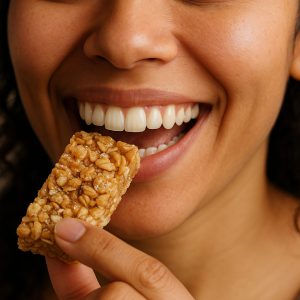 Most people are aware that candy, soda, and desserts can be rough on teeth. But sugar doesn’t just hide in obvious places. Many foods marketed as “healthy” also contain surprising amounts of added sugar, and that hidden sweetness can quietly damage dental health. Even when a product looks nutritious on the surface, the sugar inside still feeds the bacteria that cause cavities and gum disease—a fact often emphasized by an expert dentist Chicago Loop.
Food companies often add sugar to make items more appealing. That includes products people reach for when they want to eat better. Some common examples:
These foods don’t always taste overly sweet, which makes it easy to underestimate the sugar content. Marketing often emphasizes fiber, protein, or vitamins while downplaying the sugar content hidden in the ingredient list.
The enamel protecting your teeth cannot regenerate once it’s worn away. Consuming sugar allows oral bacteria to break it down, producing acid as a harmful byproduct. That acid weakens enamel, making it easier for cavities to form. Over time, repeated exposure leads to tooth decay, sensitivity, and sometimes painful infections.
But sugar affects more than cavities. Constant exposure to hidden sugars can cause acid attacks, irritating the gums and fueling inflammation that may lead to gum disease. Once enamel is worn down, teeth become more vulnerable to staining and erosion.
One reason hidden sugar is so harmful is the “health halo” effect. When a food is labeled as organic, high-protein, or low-fat, people often assume it’s good for them across the board. That assumption makes it easier to ignore or overlook the sugar content. For example:
Because these foods feel like better choices than soda or candy, people may eat them more often, exposing their teeth to sugar throughout the day.
Spotting hidden sugar isn’t always easy. Food labels often list sugar under various names, including cane juice, corn syrup, agave, molasses, brown rice syrup, and concentrated fruit juice. Even honey and maple syrup, while natural, act like sugar on your teeth.
A good rule of thumb is this: if sugar or one of its many aliases shows up near the top of the ingredient list, the product likely contains more than your teeth would prefer. Nutrition labels also now separate “added sugars” from natural sugars, making it easier to see how much has been added during processing.
Completely avoiding sugar isn’t realistic, but a few changes can protect your teeth without forcing you to give up nutritious foods:
Hidden sugars don’t just affect your teeth. They contribute to weight gain, diabetes risk, and energy crashes. But dental health often shows the first warning signs. Cavities and enamel erosion are clear indicators that excessive sugar intake is a problem.
By being more aware of what’s in so-called healthy foods, you can make small adjustments that protect your teeth without giving up nutrition. Choosing products with less added sugar, balancing meals with protein and fiber, and maintaining daily oral care all make a difference.
Healthy eating should benefit the whole body, not quietly harm your teeth. Hidden sugars make it tricky, but paying closer attention to labels and habits can help. Next time you grab a “healthy” snack or drink, remember: your mouth can tell the difference, even if the label can’t.
There are many dietary standards, and some of them say that foods should be low in fat and carbs, while others have no scientific basis at all. You can make better decisions if you bust these myths. Let’s tell the difference between fact and myth now that we know what your body really needs.
There are different forms of carbohydrates. Some can be found in whole grains, fruits, veggies, and beans. Consumption of this food provides fiber, essential nutrients and long lasting energy. Meanwhile, there are these so-called processed carbohydrates which can increase the blood sugar levels when consumed in high amounts. Carbohydrates from whole foods help in losing weight while assisting our body in managing the consumption of food properly.
 Several years ago, this idea began a lie about what foods are healthy. Fat is king when it comes to hormone production, brain function, and nutrient absorption.
Sugar-free products do not have sugar but they do have artificial sweeteners. Although it is believed that sweeteners do not raise blood sugar levels unlike sugar, studies show that these sweeteners are associated with stomach problems.
Scientists prove that eating honey and fruits in moderation would be of big help and that processed sugars should only be a second or least option.
Taking a vitamin and making a detox tea is good if you want to lose weight. But, nothing is more effective than eating real food. Vitamins and detox tea may be advantageous in more ways, but they still lack some phytonutrients or fiber.
Sugar? No thanks. Good fats fill you up, easy carbs power you up, and sugar? Have fun with it, but be wary still. Whole foods can be healthy and provide a routine that lasts longer.
Regarding mental health, nutrition might not be the first thing that comes to mind. Still, the relationship between our diet and our mood is really dominant. At chicagopsychiatrists.com, we realize that treating mental health sometimes calls for a comprehensive strategy that takes into account not only psychological elements but also the critical function of diet.
 This blog post explores the interesting link between diet and psychiatry, therefore clarifying how food decisions could greatly affect mental health. We’ll explore particular nutrients, eating strategies, and useful advice to help you have a better body and mind.
Below explains how the gut and the brain intertwin.
New studies underline the important part the gut microbiome plays for mental wellness. Often referred to as the “second brain,” the gut contains trillions of bacteria that generate serotonin and dopamine, two neurotransmitters vital that control the mood.
Several mental health disorders, including bipolar illness and depression, have been related to chronic inflammation.
For brain function and mood control, some minerals and vitamins are absolutely vital. For example:
Even the different types of diet may affect our overall health and wellbeing in many ways.
This diet is rich in fruits, vegetables, whole grains, and good fats, this diet has been connected to lower depression risk and better cognitive ability. Its focus on complete, unprocessed meals, lessens inflammation and encourages a good gut flora.
High consumption of processed foods, sweet drinks, and harmful fats defines the Western diet, which has been linked to a higher risk of mental health problems. Improving mental and physical health requires first cutting usage of these products.
Unquestionably, food and psychiatry have a relationship. A nutrient-dense, balanced diet can help us support our mental as well as physical health. We at chicagopsychiatrists.com understand the value of this all-encompassing approach and inspire people to think about how their food choices affect their mental health. For individualized dietary recommendations, especially if you have pre-existing medical issues or are on medications, always see a healthcare practitioner or registered dietitian. Giving a good diet top priority helps one live a more balanced and contented life.
Diet can control symptoms of autoimmune disorders and inflammation. This post covers antiinflammatory diet for autoimmune patients.
Dinner calls baked salmon topped with asparagus.
Omega-3 fatty acids included in salmon help to lower inflammation. Asparagus’s fiber and key elements make tonight a healthful, anti-inflammatory meal.
One can assist control autoimmune diseases with an anti-inflammatory diet. These meals reduce inflammation and offer healthful ingredients. Eat these delicious meals to boost your health using the natural defenses of your body. Savor these delicious and nutritious dishes on your path of wellness.
Maintaining a healthy lifestyle doesn’t have to mean sacrificing money. Careful preparation and wise decisions will help you to give your health top priority without overspending. This article looks at doable budget-based health tips to make sure you may enjoy a balanced life free from financial worry.
Over time, bulk item purchases can save you money. Purchased in greater quantities, staples include oats, lentils, and frozen veggies are generally less expensive. Purchasing seasonal vegetables can also save money and offer fresh, nutrient-dense choices.
Do some workout affordably like the following:
While subscriptions in gyms might be costly, staying active is not necessary. One rather cheap approach to keep in shape is via home workouts. Online, there are innumerable free workout videos ranging in kind from yoga and pilates to high-intensity interval training (HIIT). Your at-home exercise program can also improve with the investment of simple tools like dumbbells or resistance bands.
Use outside free and efficient activities to benefit yourself. Great methods to keep active and appreciate the surroundings are walking, running, hiking, and biking. Free or low-cost exercise programs and events abound at local parks and community centers.
With careful planning and wise choices, one can remain healthy on a limited income. Stressing sensible health decisions, reasonably priced eating, and reasonably priced exercise will help you to keep a balanced lifestyle without stressing your budget. Accept these techniques and start to enjoy the advantages of a better, more affordable living.
 Bodybuilders and fitness enthusiasts know that achieving peak performance and physique comes down to mastering the phases of cutting and bulking. Selective Androgen Receptor Modulators (SARMs) like Ostarine and Ligandrol have gained attention for their ability to enhance these phases. Whether you’re shedding fat or gaining muscle, understanding how SARMs align with your dietary strategy is essential.
SARMs are available from reliable sources like PGanabolics, ensuring quality products for achieving your fitness goals. Alongside the right SARMs, a well-planned diet tailored to your cutting or bulking phase is vital for optimizing results.
The cornerstone of cutting and bulking is managing caloric intake:
Tracking macros is crucial. Both phases demand precision to ensure you’re fueling your body appropriately while maximizing the benefits of SARMs.
Proteins and carbs play distinct yet complementary roles:
For cutting, balance carbs to maintain energy without excess storage as fat. During bulking, pair carbs with proteins to enhance muscle synthesis.
SARMs influence metabolism, necessitating dietary tweaks:
Stay hydrated to support SARMs-induced metabolic changes and ensure optimal kidney function.
While SARMs provide a strong foundation, supplements can enhance results:
Be cautious about stacking SARMs with too many supplements. Consult with a healthcare professional or fitness expert to tailor a supplement regimen to your needs.
READ ALSO: What is Anabolic Diet and What are the Main Principles Behind It?
Achieving your cutting or bulking goals requires a strategic approach to diet and SARMs use. By aligning caloric intake, macronutrient distribution, and dietary adjustments with SARMs’ unique benefits, you can maximize results. Ensure your SARMs are sourced from trusted suppliers like PGanabolics to achieve your best physique safely and effectively.
Your gut microbiome is the trillion or so of microorganisms that call your gut home. General health, immune system, and digestion all depend on these bacteria in great part. Restoring balance to your gut microbiota using probiotic pills will have many advantages.
Live bacteria, probiotics help the host remain healthy when taken in appropriate doses. While fermented foods like yogurt and kefir abound in them, probiotic pills provide a concentrated and practical source.
Here are some benefits of taking probiotic
Probiotics can aid with constipation, gas, and bloating as well as with other digestive problems. For those with lactose intolerance, they can also help lactose be broken down, therefore benefiting them.
Your immune system and gut are intimately entwined. By helping your immune response to be strengthened, probiotics help lower your susceptibility to illnesses.
Studies point to probiotics’ ability to affect metabolism and hunger control, hence guiding weight control.
New data suggests a link between mental and digestive health. Probiotics could help ease anxiety and depression symptoms as well as boost happiness.
Good skin can result from a strong gut flora. Probiotics could be able to treat skin disorders including acne and eczema.
Consider the following while choosing a probiotic supplement:
Probiotic supplements and fermented foods will help you feed your gut bacteria and get advantages for your general health and well-being.
Though it may seem daunting at first, going plant-based is a great way to improve your health. To begin, here is a basic guide.
Mastering the fundamentals is essential. Find the plant-based diet that works best for you by learning about the several varieties (vegan, vegetarian, flexitarian). Learn about the many plant-based foods’ health benefits and how to make sure you’re receiving enough of each nutrient.
Diet changes should not be made abruptly. Eat more plant-based meals as a starting point. For a meatless chili or spaghetti dish, try substituting lentils for the meat. Add additional plant-based options gradually as you feel more at ease.
Everyone needs a well-stocked pantry. Stock up on legumes, nuts, seeds, and whole grains like quinoa and brown rice. Your snack and lunch options should mostly consist of fresh fruits and vegetables.
Vegetarian and vegan cuisine is simpler to prepare than you would imagine. For ideas, peruse internet resources, such as cookbooks and blogs. Feel free to try out different flavors and ingredients.
Gain inspiration and advice from other plant-based eaters by connecting with them. You can get helpful support by joining a plant-based organization in your area or by joining an online community.
Changing to a plant-based diet is something that each person must do on their own. Take it easy, reward yourself for little successes, and most of all, relish in the journey!
We all know to consume veggies, but leafy greens are exceptional. These green champs are more than rabbit food—they’re a nutritional powerhouse that can improve your health. Let’s discuss why you should eat a big handful (or two!) of leafy greens daily.
Leafy greens are nature’s vitamin. They’re packed with vitamins A, C, and K, iron, calcium, and folate. Vitamin A improves vision, C boosts immunity, and K strengthens bones. Iron transports oxygen, calcium strengthens bones and teeth, and folate helps cells develop and repair.
Antioxidants in leafy greens fight free radicals, unstable chemicals that damage cells and cause chronic diseases like heart disease and cancer. Leafy greens protect against these situations by neutralizing free radicals.
Leafy greens include fiber, which fertilizes your stomach. Fiber helps regulate weight by promoting healthy gut bacteria, a smooth digestive system, and longer fullness.
Leafy greens may boost brainpower, according to mounting studies. Studies suggest these green miracles may increase memory, focus, and fight cognitive loss as we age.
Leafy greens are nutritious. Tasteful, adaptable, and easy to eat. There are many ways to enjoy the benefits of spinach and kale, from a simple salad to a powerful smoothie. Avoid the guilt and enjoy the goodness—your body and taste buds will thank you!
Let’s face it, navigating the grocery store aisles with both health and finances in mind can feel like a high-stakes balancing act. But worry not, fellow thrifter! With a systematic approach, you can make a grocery list that’s friendly to your money and your body.
Learn how to beat the cart and fuel your healthy lifestyle on a budget.
Before going out, prepare meals for the week. Consider leftovers and multipurpose ingredients. This prevents impulse buying and ensures you obtain what you need.
Create a detailed meal plan list. Stay on track to prevent snack aisle detours that waste money.
Most circulars offer weekly specials. Plan meals around these deals to save more. Avoid fancy packaging and think generic.
Generic brands offer comparable quality at reduced prices. Fruits and vegetables flash-frozen at optimum ripeness retain nutrients. They reduce food waste by being cheaper and longer-lasting than fresh options.
Canned beans and vegetables save busy nights. Choose “no added salt” to cut sodium.
Buy staples like brown rice, lentils, dried beans, whole-wheat pasta, and oats. Flexible and economical pantry staples can be the foundation of many healthful meals.
A well-stocked spice cabinet can transform simple ingredients into flavor bombs. Spices are budget-friendly and add a world of flavor to your meals.
Remember, healthy eating on a budget is a win-win. With a little planning and savvy purchasing, you can load your basket with healthful food without depleting your bank account. So, grab your list, embrace the offers, and get ready to face the grocery shop with confidence!
A nutritious lunch doesn’t have to be boring or time-consuming to pack. Delicious and filling dinners may be on the table in as little as 30 minutes with some preparation and these creative ideas.
Creating balanced plates is the secret to losing weight during lunch. For sustained energy throughout the day, aim for a diet rich in lean protein, complex carbs, and healthy fats.
These lovely salads, made in mason jars, are ideal for making ahead of time. In a mason jar, layer chopped veggies with cooked chicken or chickpeas and a little vinaigrette. Add leafy greens on top. For a revitalizing and satisfying midday meal, try them cold.
 Quiches and frittatas are great alternatives; whisk away your worries. You can make them your own by adding some cheese, lean protein, and veggies of your choice. On top of that, you can eat the leftovers for breakfast the following day.
A bowl of hearty soup makes for a perfect lunch. Soups like lentil or minestrone, which are packed with protein and fiber, require less than 30 minutes to whip together.
You will never want to order unhealthy takeout again when you have these recipes. Embrace the world of fast and tasty lunch options that help you lose weight and say goodbye to the drive-thru.
Depending on your daily calorie intake, body weight, and level of activity, there are different requirements for protein in order to lose weight.
Adults are currently advised to consume 0.8 grams of protein per kilogram of body weight per day.
To calculate your weight in kilograms, take your weight in pounds, divide it by 2.2, and then multiply the result by 0.8. (Alternatively, to put it more simply, multiply your weight in pounds by 0.36.)
 Three crucial elements that are crucial for weight loss are impacted by a high-protein diet and can assist in weight loss:
Consuming protein helps you feel fuller for longer and suppress cravings, which helps you avoid overeating and snack less.
Protein also seems to suppress appetite better than other macronutrients like fats and carbohydrates. This is because protein has a higher thermic effect of food (TEF) than fats and carbs.
Consuming protein also helps you maintain lean body mass and reduce body fat because your body finds it more difficult to store protein as body fat than it does fats and carbohydrates.
Protein is necessary for weight loss as well as muscular growth. Many people can achieve a high-protein diet because, fortunately, most food groups contain high-quality protein sources. You can complete your high-protein diet and accelerate weight loss by include protein supplements and snacks in addition to the protein found in food.
In their quest for optimal health, many people attempt to regulate their pH levels by adhering to an alkaline diet. The objective of an alkaline diet, centered on consuming foods that maintain or slightly increase the body’s pH level, is to create a more alkaline environment. Let’s look at the benefits and critical points of this diet plan.
The scale goes from very acidic to very alkaline, with 7 representing neutrality. The human body functions best at a slightly alkaline pH of 7.4. But acidity levels are rising in modern diets, which could trouble many people. The alkaline diet seeks to rectify this acid-base imbalance by consuming more foods that naturally contain an alkaline pH.
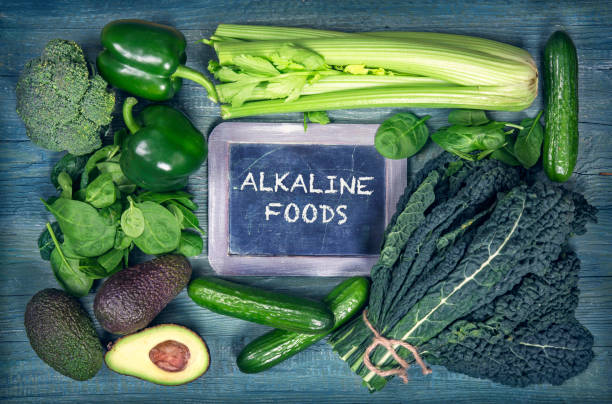
Alkaline meals are rich in nutrients, which means your body can absorb and use them better, which means you’ll have more energy.
Maintaining an alkaline pH level in the body can positively impact the immune system and decrease the likelihood of developing chronic illnesses.
Minerals like calcium, abundant in foods that create an alkaline environment, aid in bone development, and reduce the likelihood of osteoporosis.
In the end, returning the body’s pH levels to balance is the goal of the alkaline diet. Some people discover that their energy levels, immunity, and overall health are all enhanced when they consume more foods that promote alkalinity. You should consult your physician before making any dietary changes to ensure they will assist you in achieving your health objectives.
Calcium helps keep bones strong and healthy, which is crucial for overall health. Calcium intake is crucial for kids, teens, and adults. Calcium is essential for bone health, and this article will show you some tasty calcium-rich foods.
Strong bones and teeth require minerals like calcium. It protects bone health and prevents osteoporosis, especially as we age. Consuming enough calcium helps prevent bone fractures.
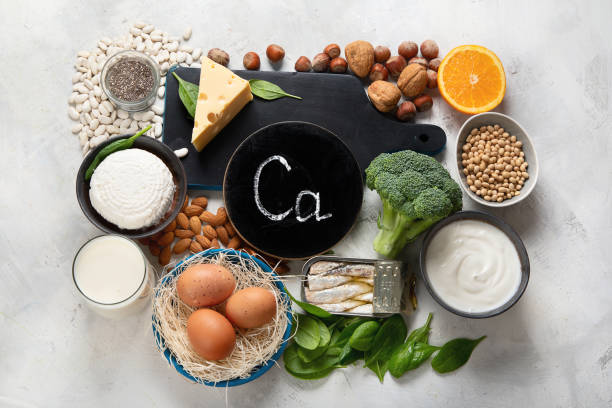
Calcium-Rich Foods Milk, yogurt, and cheese are high in calcium. Weight watchers should choose low-fat or fat-free alternatives.
Eat kale, collard greens, and spinach. These plants are rich in calcium and other minerals.
The calcium and omega-3 fatty acids that are beneficial to the heart are found in abundance in canned salmon and sardines.
The mineral calcium can be found in a variety of plant-based milk substitutes, cereals, and beverages. To select foods that are high in calcium, read the labels.
Choosing calcium-rich foods is a simple and efficient strategy to maintain strong bones. You can choose from several scrumptious dairy and plant-based options. Try eating these to nourish your bones. Remember that a healthy, well-balanced diet and regular exercise are the greatest ways to maintain strong bones for life.
When attempting to live better, gut health is crucial. We need a healthy, balanced gut for overall wellness. Eating fiber-rich meals helps keep our stomachs healthy. We’ll discuss fiber’s importance and show you some tasty gut-healthy meals.
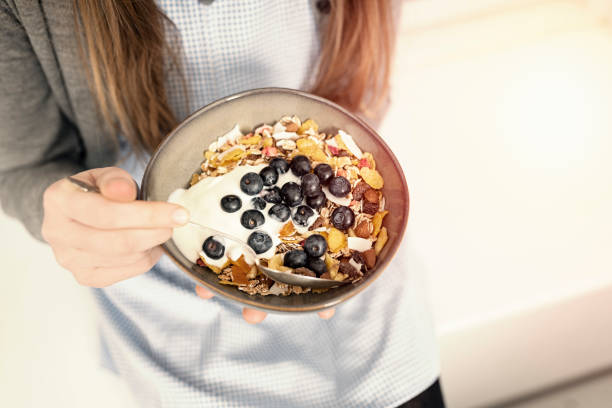
Fiber is crucial for our health but is often given insufficient attention. Insoluble and soluble kinds exist. Water and soluble fiber make a gel. However, insoluble fiber bulks feces. Both are important for gut health.
Fiber facilitates regular bowel movements and prevents constipation. Non-soluble fiber bulks stool, making it easier to pass. Soluble fiber smooths stool. This powerful combo ensures intestinal health.
Fiber provides prebiotics to our gut bugs. These microbes govern your gut microbiota, which is vital to your health. Fiber-rich foods help healthy bugs proliferate.
Simple but effective gut health improvement is eating fiber-rich foods regularly. To improve digestion, gut microbiota, and system function, fiber is essential. Feel the benefits of entire foods, and your gut will reward you for mindful eating. A healthy gut means a healthy you.
Just because something is heart-healthy doesn’t mean it has to be flavorless. In reality, it’s possible to have a wonderful dining experience while also reducing your sodium intake. The risk of hypertension and cardiovascular disease increases with a diet high in sodium. This post will introduce you to some delicious low-sodium meals that put your heart’s health first.
Chicken breasts without the skin, lemon juice, garlic, herbs (rosemary, thyme, and black pepper), and pepper are this menu’s ingredients. Grilled chicken marinated in lemon juice and herbs is a tasty and healthy protein option.
The ingredients of this menu are vegetables (include bell peppers, zucchini, and carrots), olive oil, garlic, and a dash of seasoning, to taste. Roast vegetables in a pan with olive oil until they are soft and caramelized. Herbs provide flavor and texture to any dish.

Quinoa, black beans, chopped tomatoes, cilantro, lime juice, and a dash of cumin are the ingredients. Combine the salad’s components and serve for a low-sodium, flavorful meal.
The fillets of fresh salmon, dill, lemon slices, and olive oil that will finish it off are all you need. Bake the salmon with some dill seasoning, lemon slices, and some olive oil until the fish flakes easily.
Tomatoes, onions, garlic, basil, and a splash of low-sodium vegetable broth make up the ingredients. To make a soothing, heart-healthy soup, simmer all of the ingredients together until soft, then puree.
A heart-healthy diet should not be uninteresting. You may still enjoy tasty food while watching your sodium intake with these heart-healthy dishes. You may improve the health of your heart and your taste buds by eating fewer processed foods and more fresh, complete foods.
Those who suffer from celiac disease must follow a gluten-free diet for their health. Wheat, barley, and rye contain a protein called gluten, which can set off an immunological response and lead to the development of celiac disease. Successful treatment of this illness requires a gluten-free diet.
Gluten causes slight intestine damage in people with celiac disease, a chronic disorder. The inability to absorb nutrients properly is the root cause of many other symptoms, including bloating, weakness, and skin difficulties.

Celiac illness can only be treated by adhering to a strict gluten-free diet. Bread, spaghetti, and many processed items are off limits on this diet. Celiacs avoid gluten in processed foods and look to whole foods for nourishment.
A gluten-free diet is more than just a preference for those with celiac disease; it’s a need for maintaining health and energy. Individuals can not only control their disease but also thrive by adopting naturally gluten-free foods and carefully checking labels. The benefits to your health and happiness from adopting a gluten-free lifestyle far outweigh any difficulties you may encounter along the way.
You should aim to consume around as many calories each day as your daily calorie consumption. It differs greatly from one person to another as everyone has a unique metabolism, even those of the same size and gender. The chart below provides different approaches to assess yours. The estimated energy need calculation used by the Institute of Medicine in its research yielded the following recommended calorie ranges

These quantities are based on the Institute of Medicine’s 2002 Dietary Reference Intakes macronutrients report’s Estimated Energy Requirements (EER), which were calculated for reference-sized individuals according to gender, age, and activity level. The IOM defined “reference size” as having a BMI of 22.5 for adult males and 21.5 for adult females based on the median height and weight for children up to the age of 18 and the median height and weight for that height.
c Being moderately active is defined as leading a lifestyle that combines light daily exercise with an amount of physical activity.
d The term “active” refers to a way of life that combines both light daily exercise and the amount of physical activity required to cover at a pace of between three and four miles per hour each day.
Enhance your fiber intake. Maybe it’s not the first time you’ve heard it. But are you familiar with the health benefits of fiber and why they occur? Dietary fiber, contained in fruits, veggies, whole grains, and legumes, is well recognized for its constipation-fighting properties.

The components of plants that are indigestible to humans are known as dietary fiber, roughage, or bulk. Unlike lipids, proteins, and carbohydrates, fiber is not metabolized by the body. It instead survives the stomach acid, the small intestine, and the colon and leaves the body largely undamaged.
A diet rich in fiber:
Consuming meals that are high in fiber is beneficial. However, rapid fiber intake increases can lead to flatulence, bloating, and cramps in the digestive tract. Gradually up your fiber intake over the course of a few weeks. This gives your body’s natural microbes time to readjust to the new environment. It’s also important to stay hydrated, so remember to drink lots of water.
Numerous nutritious foods are part of a regular eating regimen that aids in weight management. Consider adding a variety of hues to your plate as though you were consuming the rainbows. Darker, green vegetables, citrus, tomato, and especially pickling spices, are all incredibly nutrient-dense foods.

The fruits are excellent options and can be consumed fresh, refrigerated, or preserved. Consider fruits like mangoes, strawberries, or kiwi fruit instead of just apples and bananas. If fresh fruit isn’t in availability, consider dry, tinned, or refrigerated options.
Use a herb like oregano to give roasted or steaming veggies some variation. Using a little frying oil, you could also saute (panfry) veggies in a non-stick pan. You may use reheat prepared or frozen veggies for a simple quick meal. Attempt to find frozen vegetables without salt, margarine, or creamy dressings. Try a different veggie each week to provide diversity.
The key to a nutritious diet is moderation. Regardless of whether a meal has a significant amount of calories, fat, or flavored syrup, you can still enjoy it. The secret is to only consume them sometimes and to balance them off with healthy alternatives and increased physical activity.
Some of the most significant things you could do to safeguard your wellness are to eat a well-balanced and nutritious diet. In fact, personal decisions and behaviors like consuming a nutritious diet and exercising regularly can avoid approximately to 80percent of early strokes and heart diseases.

Canada’s Nutritional Experts say eating a variety of healthy foods each day. Consumption of more organic foods and limiting products that have conducted significant preparation is necessary to achieve that.
Another of the most significant dietary practices is this. Veggies and fruits are rich in nutrients (anti-oxidants, vitamins, nutrients, and fiber) and assist you in maintaining a healthy diet by making you feel satisfied for longer periods of time. During every dish on the menu, place fruits and vegetables on half of your plates.
Utilize whole or little processed items to prepare the majority of daily home-cooked meals. Pick a range of proteins to keep the recipes you choose loaded with fruit and vegetables. Throughout every mealtime, try to fill half of the plate with fruit and vegetables. Every day, select colorful vegetables and fruit, with oranges, as well as leafy veggies, being particularly eye-catching.
Research has shown that eating a diet high in fruits and veggies will help you live longer, healthier, and happier. Altering your diet drastically, though, may feel like an impossible task. It could be preferable, to begin with, some minor adjustments rather than sweeping reforms.
Alterations to one’s usual eating habits can improve their health.

It has been shown through research that eating more slowly will help you ingest fewer calories overall, which can lead to weight loss. Eating more slowly has the side effect of promoting complete digestion, which has been related to better weight control.
Planning ahead and making a list of necessities is the best tactic. If you make a list before you go shopping, stick to it. You can stock your home with nutritious food and save money. With that, your health and savings will be bountiful.
Breakfast eggs are a great way to kickstart your day and feel fuller for longer. There is evidence that this leads to reduced calorie intake at subsequent meals. If weight loss is your aim, it may be pretty beneficial.
It is commonly known that eating has a significant impact on one’s health and happiness. But as time goes on, we discover how eating significantly affects our social, emotional, and mental health. We have vital data suggesting that diet and mental health are, in fact, tightly associated, even if there is still much to learn about the underlying relationship.
Dietary habits are associated with better mental health.

Numerous studies conducted over the last few years have found connections between dietary habits, gastrointestinal health, and the risk of depression. According to one study, a diet high in fruits, vegetables, whole grains, and legumes and low in red and processed meats was linked to a 10% lower risk of depressive symptoms.
Alcohol, coffee, and added sweets are three distinct substances that may make anxiety symptoms worse. Additionally, studies have found links between anxiety and a poor diet, high saturated fat, and low fruit intake.
Simply eating a well-balanced diet rich in health-promoting nutrients is one of the best things you can do for your diet to improve your mood. Although research into the links between food and mental health is ongoing, numerous studies suggest that eating a high-quality, nutrient-dense diet may enhance mood.
India’s ancient Ayurveda science focuses on vegetables, fruits and nuts as healthy diets, yet the country today is touted as the global capital of diabetes.  The World Health Organization (WHO) reported that the population of diabetic Hindustanis is nearly reaching the alarming mark of 69.9 million that was projected for 2025, which if not addressed with solutions could reach 80 million in 2030.
The most recent statistics show that diabetes is more prevalent in cities, as around 28% of people living in urban areas have diabetes. In rural Hindustan, the population has a lower diabetes prevalence rate of 5%.
Since 2004 much has been written about the noticeable lifestyle and environmental changes that have been taking place in India’s urban metros, mostly among wealthy Indians. To a large extent the prevalence of diabetes came as a result of industrialization and the widespread migration of affluent rural folks in urban Indian communities.
Ayurvedic teachings support the consumption of fruits, vegetables, seeds, legumes and grains in ample amounts as sources of fiber, carbohydrates, protein, vitamins, minerals and fat.  However, many began to develop a strong liking for, and dependence on flavorful, high-fat, calorie-rich food offered in metro streets and by city fast food chains.
As many Hindustanis developed an unhealthy eating habit of consuming excessive amounts of food, the resulting imbalances of nutrient intakes led to metabolic syndromes affecting the digestive system. One such problem is the development of resistance against insulin, the hormone that mainly help cells absorb glucose or blood sugar.
A comprehensive study published by leading medical journal, The Lancet, reported that Indians tend to consume more carbohydrates in amounts than what is recommended as adequate.  At the same time, they eat less protein, particularly plant protein. This is regardless of the availability of diverse sources of dietary nutrients in Indian communities.
The trend is that the unhealthy eating habits developed by many Indians led to excessive weight and obesity. These health problems could have been corrected and curbed through proper diet, increased physical activity and lifestyle changes. Yet cases of child obesity all the more increased the size of India’s obese population diagnosed with type 2 diabetes.
Actually, the greater concern of India’s medical experts are findings that show Indians as genetically predisposed to have increased risks of developing type 2 diabetes and coronary artery disorder (CAD). The prevalence of these illnesses in the country has made it even more important for the government to keep medicines affordable and accessible to all citizens in all Hindustan regions.
To ensure that medicines will continue to be affordable at all times, the government has made it mandatory for doctors to prescribe generic medicines in the treatment of all types of ailments, including diabetes and CAD. Moreover, the Indian government instituted a generic drug distribution and selling system called PCD Pharma Franchise. Readers can find more details about PCD Franchise in this web page: https://vivaceutical.com/monopoly-pcd-pharma-franchise-company-india/
It is generally known that low-grade inflammation plays a role in the development of a number of chronic conditions, such as heart disease, Type-2 diabetes, inflammatory bowel disease, and rheumatoid arthritis.
Many healthy eating regimens, including the Nordic, Okinawan, and Mediterranean diets, are regarded as anti-inflammatory. Each of these diets regularly includes a variety of colorful fruits and vegetables.
There is no one diet that is anti-inflammatory. Many traditional eating habits that have undergone thorough examination are regarded as anti-inflammatory, including the Mediterranean, Nordic, and Okinawan diets.
The DASH diet and whole-foods-based flexitarian, vegetarian, and vegan diets are all anti-inflammatory.
A diet that reduces or prevents inflammation includes a variety of entire, primarily plant-based foods that are high in antioxidants, healthy fats, vitamins, minerals, gut-friendly fiber, and phytochemicals.

Daily consumption of a lot of colorful fruits and vegetables is part of an anti-inflammatory diet. Among the top anti-inflammatory foods are:
What we consume has a direct impact on our physical and emotional health, as well as our lifespan. You can dramatically enhance your health and lower your risk of chronic diseases by eating a balanced diet.
However, other types of diet available meet your body’s requirements. One of these is the so-called Mediterranean diet.

The Mediterranean diet is a nutritional pattern and way of eating and lifestyle that has been utilized to maintain good health for centuries. Many diseases and ailments have been linked to the Mediterranean diet, including anxiety, Alzheimer’s, cardiovascular disease, cancer, depression, dementia, type 2 diabetes, and Parkinson’s.
The following are said to be the benefits of the Mediterranean diet on one’s health:

For decades, doctors have sought every dieter’s dream of weight loss: a pill that would pare away the pounds with no harmful effects.
Their quest is an acknowledgment that losing weight and keeping it off isn’t just a matter of willpower, of resisting the appeal of the frozen dessert within the fridge.
Weight gain changes the brain and body, new research has shown. And even once we starve ourselves thin, we frequently can’t reverse those alterations. So we just slowly pack the pounds back on because our brains think we’d like them.
Back within the early ’90s, doctors thought they’d struck gold with a mixture of medicine, fenfluramine, and phentermine, or fen-phen, that gave the impression to magically melt fat away. But within a pair of years some patients began to develop very scary side effects: damage to heart valves, which proved to be fatal in some cases, might cause failure and a sort of high pressure, pulmonary hypertension.
The Food and Drug Administration called on drugmakers to drag fenfluramine — the culprit a part of the combo — which they did. Like a fear that continues today, the media attention that followed would scare patients off diet pills for years.
But with America growing fatter with each passing year — two-thirds of American citizens are now overweight or obese — doctors believed that they had no choice but to continue their go after a secure, and a minimum of moderately effective, medicine that will help patients drop excess pounds and keep them off.
The latest generation of medication such as PhenQ (check out Phenq results here) seems to try to do just that. They won’t make a morbidly obese patient model-thin, but they’ll shave off enough excess fat to enhance heart condition risk factors like hypertension, high blood glucose, and high cholesterol, experts say.
ALSO READ: How The Food You Eat Affects Your Brain
Take lorcaserin, as an example. Researchers found that the drug could lead to consistent and sustained loss of over 5 percent of the weight in nearly 40 percent of patients in danger for heart attacks, strokes, and death from disorder without increasing the likelihood of such events, consistent with a report published recently within the geographic area Journal of medication.
While a 5 percent weight loss might not appear to be plenty, “that is that the point where there’s an awfully significant reduction within the risk of diabetes,” said a professor of metabolic research at Weill Cornell Medicine named Dr. Louis Aronne.
Patients in Bohula’s study did see improvements in hypertension and blood glucose levels with weight loss.
People must realize that in obesity treatment, even as in hypertension therapy, one drug won’t fit all, Aronne said. “That’s why treatment of hypertension is so effective. Nobody medication for hypertension works for every single person. That’s how we want to start out viewing drugs for obesity.”
What many don’t understand is that weight gain results in changes within the brain that will not be reversible, Aronne said. “The process of weight gain makes it hard to slim,” he explained, adding that in certain areas of the brain nerve cells are literally damaged and sometimes die.
That new understanding is why some major medical associations have come to work out diet pills as intrinsic within the battle against obesity.
Weight loss drugs are recommended supplements to diet and exercise — included, as an example, in 2013 guidelines by the American Heart Association, the American College of Cardiology, and therefore the Obesity Society, Bohula said.
In fact, a 2017 report that examined the medical records of two.2 million patients found that fewer than one in 50 patients who were eligible for a diet pill prescription received one.
That doesn’t surprise Dr. Vijaya Surampudi, an endocrinologist and a professor of drugs at the middle for Human Nutrition at the University of California, la. She said, “They’re not highly regarded. I believe lots of physicians are uncomfortable prescribing weight loss medications. Fen-phen scares off lots of them.”
When it involves dieting, Americans have to reframe how they view weight loss, Surampudi said. Beyond that, a bit of patience goes a protracted way.
 An aesthetic clinic Kota Kemuning focuses on improving appearance and confidence. Many people think these clinics are only about beauty treatments. In reality, they also support overall health. Skin, body shape, and energy levels are closely linked to diet and lifestyle. Aesthetic results improve when the body is healthy from the inside.
Modern aesthetic clinics look beyond surface-level concerns. They consider how food choices affect skin, weight, and recovery. This creates better and longer-lasting results. Health and diet play a key role in aesthetic care.
What you eat affects how you look. Poor nutrition can lead to dull skin, breakouts, and uneven tone. It can also affect body fat and muscle tone. Diet influences inflammation, hydration, and hormone balance.
A balanced diet supports skin repair and cell renewal. It also helps regulate weight. When nutrition improves, aesthetic treatments work more effectively. Results appear more natural and last longer.
Aesthetic treatments do not work in isolation. Without proper nutrition, results may be limited. For example, treatments for skin tightening rely on healthy collagen production. Collagen depends on nutrients from food.
Clinics that include diet guidance help clients maintain results. They reduce the need for repeated treatments. This approach saves time and cost in the long run. It also supports overall health.
Aesthetic clinics often recommend simple dietary habits. These are easy to follow and realistic. Whole foods are encouraged over processed options. Proper hydration is also emphasized.
Balanced meals support stable energy levels. Excess sugar and salt can cause bloating and skin issues. Small changes in diet can lead to visible improvements. The goal is consistency, not perfection.
Many clients visit aesthetic clinics for body contouring. Diet plays a major role in shaping results. Treatments may target fat areas, but poor eating habits can reverse progress.
Healthy eating supports fat reduction and muscle tone. It also helps prevent weight gain after treatments. Clinics guide clients on maintaining results through lifestyle habits. This makes aesthetic improvements more sustainable.
Skin reflects internal health. Nutrient deficiencies can cause dryness and irritation. Poor diet can slow skin healing after treatments. This affects outcomes and recovery time.
Aesthetic clinics often focus on nutrients that support skin. These include vitamins, protein, and healthy fats. Proper nutrition improves skin strength and elasticity. This enhances treatment effectiveness.
Digestion affects how nutrients are absorbed. Poor digestion limits the benefits of a healthy diet. This can show on the skin and body shape. Bloating and discomfort also affect confidence.
Some aesthetic clinics address digestive balance. This may include simple dietary adjustments. Improving digestion supports overall appearance and comfort. It also improves energy levels.
Diet works best when paired with healthy habits. Sleep supports skin repair and hormone balance. Movement improves circulation and muscle tone. Stress management reduces inflammation.
Aesthetic clinics often encourage these habits. The focus is balance, not strict rules. When lifestyle improves, results look more natural. Clients feel better overall.
Many people try extreme diets to improve appearance. These often cause more harm than good. Rapid weight loss can damage skin elasticity. Nutrient deficiencies affect energy and mood.
Professional guidance helps avoid these risks. Aesthetic clinics provide realistic advice. This supports safe and steady improvement. Clients gain confidence in the process.
Combining aesthetic care with health-focused habits creates lasting results. Improvements go beyond appearance. Energy levels improve. Confidence increases.
Clients learn how to care for their bodies long-term. Aesthetic treatments become part of a healthier lifestyle. This approach promotes balance and sustainability.
People seeking natural-looking results benefit greatly. Those tired of temporary fixes also see value. Clients who want to improve confidence without extreme measures find this approach effective.
Health-focused aesthetic care suits people of all ages. It adapts to individual needs. This makes results safer and more reliable.
An aesthetic clinic works best when paired with proper diet and health habits. Appearance reflects internal balance. When the body is supported, results improve naturally.
Focusing on health and diet enhances aesthetic care. It creates long-lasting improvements. This approach supports both confidence and overall well-being.
For an attracting and acquiring bright skin an expensive lotion is used most of the time. But with the spicy Korean’s Kimchi could be a real saver. This colorful fermented food have characteristics of antioxidant and digestive-support. A healthy complexion begins in your stomach is all what it means.
The gut-skin axis is connecting the gut and skin serving as a communication highway. Inflammation in the gut is demonstrated by skin problems like acne or eczema. Kimchi aids to bring back a healthy balance of microbes as this contains live probiotics. This healthy bacteria helps to quiet down inflammation inside the body, which makes the outside look clearer and calmer.
Kimchi is have fresh ingredients that is full of vitamins and antioxidants, in addition it is a good source of probiotics. What causes cells to break down and age too quickly is the chemicals in Kimchi, especially Vitamin C, they fight free radicals. Eating it often protects skin cells, which helps make collagen and keeps skin firm and supple over time.
The protective layer of the skin is strengthened by the full of nutrients of Kimchi and helping the skills turn over. A major step for that Korean glass skin glow is keeping your body hydrating and the skin is better in handling stress from the surroundings.
To take care of your skin, add kimchi to your diet in a fun way. It can help your body maintain balanced making the skin to appear brighter and healthier than ever as the fermented dish is packed with antioxidants and probiotics.
Asian food is quite varied and tasty. There are a lot of gluten-free foods that are naturally gluten-free. A lot of popular sauces and foods do, though. You may eat your favorite Asian foods without anxiety if you make a few easy changes. This article talks about some simple techniques to make well-known Asian dishes gluten-free.
Soy sauce is the main source of gluten in most Asian foods and it is commonly used as an ingredient in many sauces and marinades. Wheat is in regular soy sauce. The good news is that it’s easy to change. You can use either tamari or coconut aminos. Both taste pretty much the same. various types of noodles, notably egg noodles, and various pre-made sauces and marinades are also popular sources of gluten.
A lot of Asian foods don’t have gluten in them. You can cook a fantastic Thai green curry. Coconut milk and vegetables are used in this dish. You may also make a tasty Vietnamese pho which uses rice noodles. Try spicy miso soup if you want something with a kick. You need to make sure that the miso paste you use is gluten-free. You can use rice noodles or serve it over rice for stir-fries.
You can eat Asian food while on a gluten-free diet. You can find a whole universe of rich and tasty flavors with just a few tiny changes. It’s all about knowing what not to put in. It also means paying attention to the many naturally gluten-free foods that are already out there.
People have traditionally treasured ginger for its strong taste and health benefits for the health of people who take it. The ginger root is accessible to acquire to easily help with digestion who needs it and reduce bodily discomfort. It’s not just a spice but it’s a simple thing that can make meals taste better and help you stay healthy.
Adding ginger to your meals on daily basis can have a natural and healthy benefits. Even it’s added during the course of cooking or added as a final touch for design, its incorporation in food can make an individual to feel better and provide you energy. When used carefully, it can improve the taste and texture of many types of food. You can add it to warm drinks or main dishes to help your health by adding natural flavour. The idea is not to take over a recipe, but to add to it and make it better by being careful of what you add.
It is better to add ginger root to every meal as this brings a beneficial effect for your health and as bonus it tastes nice. It’s a gentle way to take care of how you feel while you eat is one of the benefits you can have. When you decide to use ginger on intent and often, it moves beyond just a kitchen spice to a small but vital way to feel better.
 Steroid use can disrupt the body’s natural hormonal balance, often leading to significant health challenges after a cycle ends. Post-cycle therapy (PCT) offers a structured approach to help users restore their hormone levels and protect their well-being. This process is essential for those who have used anabolic steroids, as it supports the body in regaining its natural rhythm. Understanding how PCT works, why it matters, and how to implement it effectively can make a significant difference in recovery. Let’s explore the key aspects of PCT, from its purpose to practical protocols, to ensure a smoother transition after steroid use.
The primary goal of PCT is to kickstart the body’s natural testosterone production, which steroids often suppress. During a steroid cycle, external hormones flood the system, signaling the body to reduce or stop its own testosterone production. This can lead to symptoms like fatigue, low libido, and muscle loss once the cycle ends. For example, products from syn pharma steroids may provide performance benefits, but without proper PCT, users risk prolonged hormonal imbalances. PCT uses specific medications and strategies to stimulate the hypothalamic-pituitary-gonadal axis, encouraging the body to resume normal function. This process not only aids recovery but also helps maintain the gains achieved during the cycle.
Why is PCT so critical? Without it, the body may struggle to recover, leading to potential long-term issues like hypogonadism, where testosterone levels remain low. Additionally, estrogen levels can spike as the body tries to rebalance itself, causing side effects like gynecomastia. PCT addresses these risks by incorporating medications like selective estrogen receptor modulators (SERMs) and aromatase inhibitors. These drugs work together to regulate hormone levels, but their use requires careful planning. Starting PCT too early or too late can reduce its effectiveness, so timing is everything.
A typical PCT protocol begins shortly after the last steroid dose, depending on the type of steroids used. Short-acting steroids may require PCT to start within a few days, while long-acting ones might need a week or more. The duration of PCT usually spans four to six weeks, though this varies based on the cycle’s length and intensity. Consulting a healthcare professional before starting PCT is wise, as individual needs differ. Bloodwork can provide insights into hormone levels, guiding the choice of medications and dosages.
Common medications in PCT include SERMs like Clomid (clomiphene citrate) and Nolvadex (tamoxifen citrate). Clomid stimulates the pituitary gland to release hormones that trigger testosterone production. Nolvadex, on the other hand, blocks estrogen receptors, reducing the risk of estrogen-related side effects. Aromatase inhibitors like Arimidex may also be used to control estrogen levels. However, these medications aren’t a one-size-fits-all solution. Overusing them can lead to side effects like mood swings or liver strain, so moderation is key. A balanced approach, tailored to the user’s cycle and physiology, yields the best results.
Crafting a PCT plan involves several factors: the type of steroids used, the cycle’s duration, and the user’s health. For instance, a mild cycle might only require a short PCT with a single SERM, while a heavy cycle could demand a more complex approach. A common protocol might start with Clomid at 50 mg daily for two weeks, followed by 25 mg for another two weeks. Nolvadex could be added at 20 mg daily for the same period. These dosages can vary, so professional guidance is crucial. Additionally, some users incorporate supplements like zinc or vitamin D to support overall health during recovery.
Diet and lifestyle play a significant role in PCT success. A nutrient-rich diet with adequate protein, healthy fats, and complex carbohydrates supports hormonal recovery. Strength training, even at a reduced intensity, helps maintain muscle mass. Sleep is another critical factor—aim for seven to nine hours nightly to promote hormone production. Stress management techniques, like meditation, can also help, as high cortisol levels can hinder testosterone recovery. By combining medication with lifestyle adjustments, users can optimize their PCT outcomes.
One frequent error is skipping PCT altogether, assuming the body will recover on its own. This can lead to prolonged low testosterone levels, impacting both physical and mental health. Another mistake is using incorrect dosages or timing. Taking too much Clomid, for example, might cause vision issues or emotional instability. Starting PCT too soon can also be ineffective, as residual steroids may still suppress natural production. Always research the half-life of the steroids used to time PCT correctly. Lastly, neglecting bloodwork can leave users in the dark about their progress, making it harder to adjust the protocol.
READ ALSO: An Overview to Anti-inflammatory Diet
PCT isn’t just about immediate recovery; it’s about safeguarding long-term health. Prolonged steroid use without proper recovery can lead to cardiovascular issues, infertility, or chronic fatigue. Regular health checkups, including liver and kidney function tests, are vital for those who cycle steroids. Open communication with a doctor ensures any issues are caught early. Moreover, taking breaks between cycles—often as long as the cycle itself—gives the body time to stabilize. This approach reduces the risk of dependency and supports overall well-being.
What happens if PCT is done right? Users often report restored energy, improved mood, and maintained muscle gains. However, patience is essential. Full recovery can take weeks or even months, depending on the cycle’s intensity. Listening to the body and avoiding the temptation to jump back into another cycle too soon is critical. The goal is to achieve a sustainable balance, not just short-term gains.
Post-cycle therapy is a vital step for anyone using anabolic steroids. It bridges the gap between artificial hormone use and natural production, protecting both health and performance. By understanding the medications, timing, and lifestyle factors involved, users can navigate PCT with confidence. Proper planning, combined with professional guidance, ensures the body rebounds effectively. Have you considered how PCT fits into your fitness journey? Taking the time to get it right can make all the difference.
From the busy streets of Manila to the peaceful settings of Japan, the idea of healthy aging is firmly rooted and frequently entwined with cultural traditions and familial values across the varied fabric of Asia. Promoting well-being in later life becomes critical as people age fast; so, the emphasis should be on preserving vitality and community involvement rather than only on lifespan.
Many Asian cultures stress a complete approach to health that carries into old life. Popular in China and the Philippines, traditional disciplines including yoga, Qigong, and Tai Chi foster mental clarity, physical flexibility, and balance. Moreover, strong family ties and community involvement—often valued in Filipino and other Asian societies—offer vital social and emotional support that greatly enhances senior years’ quality of life.
Although conventional wisdom provides a solid basis, modern issues include rising urbanization, dietary changes toward processed foods, and non-communicative diseases call for flexible solutions. Ensuring good aging in modern Asian nations depends critically on promoting access to quality healthcare, encouraging active lifestyles through easily available infrastructure in places like Manila, and building intergenerational relationships to fight social isolation.
Healthy aging in Asian societies is a complex effort combining modern solutions with time-honored customs. Nations all around Asia, including our own Philippines, can empower their aging populations to lead fulfilling, healthy, and active lives by embracing holistic practices, strengthening community support, and addressing developing health challenges with culturally sensitive approaches, so adding their wisdom and experience to the richness of society.
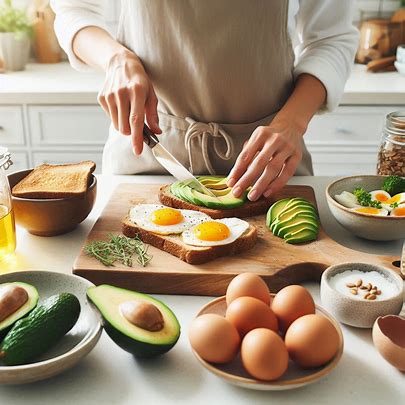 Diet influences brain function more than most people realize. For individuals with ADHD, eating the right foods can help sharpen focus, reduce hyperactivity, and stabilize mood. While no diet cures ADHD, specific foods and eating habits can support symptom management. This article explores practical, evidence-backed dietary strategies to enhance mental clarity and calm restless energy.
Protein is a cornerstone of an ADHD-friendly diet. Foods like eggs, lean meats, beans, and nuts provide steady energy and support neurotransmitter production. These brain chemicals, like dopamine, are often imbalanced in ADHD. For expert guidance on integrating nutrition with mental health, professionals at Midwest Psychiatrists emphasize balanced meals to stabilize blood sugar and improve focus. Starting the day with a protein-packed breakfast, such as Greek yogurt with almonds, can set a calm tone for the hours ahead.
Fatty acids, particularly omega-3s, are vital for brain health. Found in salmon, walnuts, and flaxseeds, omega-3s reduce inflammation and support cognitive function. Studies suggest they may lessen impulsivity and inattention in ADHD. Incorporating fish into meals twice a week or adding chia seeds to smoothies can make a difference. Not a fan of fish? Omega-3 supplements are an option, but consult a healthcare provider first.
Carbohydrates often get a bad rap, but complex carbs are a game-changer. Whole grains like quinoa, oats, and brown rice release energy slowly, preventing the blood sugar spikes that worsen ADHD symptoms. Swap white bread for whole-grain versions or try sweet potatoes for a nutrient-dense side. These foods keep energy levels stable, helping you stay focused longer. Wondering why this matters? Spikes and crashes in blood sugar can amplify hyperactivity and distractibility.
Certain foods can aggravate ADHD symptoms. Sugar, artificial dyes, and processed snacks are common culprits. Research links artificial colorings, like Red 40, to increased hyperactivity in some children. Similarly, sugary drinks can cause energy crashes that disrupt concentration. Instead of soda, try water infused with fresh fruit. Limiting caffeine is also wise, as it can heighten anxiety and disrupt sleep, both of which challenge ADHD management.
Vitamins and minerals play a subtle but powerful role. Zinc, magnesium, and iron support brain function and emotional regulation. Low levels of these nutrients are sometimes seen in people with ADHD. Leafy greens, dark chocolate, and pumpkin seeds are rich in magnesium. Lean beef and spinach boost iron. A varied diet usually covers these needs, but testing for deficiencies might be worth discussing with a doctor. Small changes, like adding a handful of spinach to a smoothie, can add up.
Beyond food choices, how you eat matters. Regular meals prevent energy dips that impair focus. Aim for three balanced meals and two snacks daily. Planning ahead helps. Batch-cook quinoa bowls with veggies and chicken for quick lunches. Also, stay hydrated—dehydration can mimic ADHD symptoms like inattention. Carry a reusable water bottle to sip throughout the day. Ever notice how skipping breakfast leaves you foggy? That’s your brain begging for fuel.
Eating mindfully can enhance focus. Slow down during meals. Chew thoroughly. Avoid distractions like phones or TV. This practice strengthens self-awareness, which often eludes those with ADHD. Try setting a timer for 15 minutes to focus solely on your meal. It’s a small habit with big rewards. Plus, mindful eating helps you notice how foods affect your mood and energy, making it easier to fine-tune your diet.
READ ALSO: How The Food You Eat Affects Your Brain
Creating an ADHD diet doesn’t require a complete overhaul. Start small. Add one new food, like walnuts for omega-3s, or swap soda for water. Track how you feel after meals to identify patterns. Everyone’s body responds differently, so personalize your plan. Consult a nutritionist or psychiatrist for tailored advice. With consistent effort, these smart eating habits can become second nature, supporting focus and calm in daily life.
Food is more than fuel—it’s a tool for managing ADHD. By choosing nutrient-dense foods and avoiding triggers, you can take charge of your mental clarity. What’s one change you’ll try today?
Exercise in Asian societies is a whole discipline included into daily life that nourishes body and mind, not only physical exertion. Exercise is seen as a road to balance, longevity, and inner harmony whether one uses the controlled motions of martial arts or the soft flow of Tai Chi.
Emphasizing slow, deliberate motions that help to create inner serenity and the flow of energy, practices like Tai Chi and Qigong stress the mind-body link. By emphasizing discipline, physical strength, and concentration disciplines as Kung Fu and Karate help to build mental resilience and self-control. Emphasizing the social side of movement, cultural dances such as Bon Odori and Bhangra offer happy physical exercise, honoring legacy and strengthening community. Simple activities like walking, cycling, and gardening are naturally included into daily schedules, therefore promoting regular physical exercise and underlining the need of keeping active.
In many cultures, exercise provides more than simply bodily advantages. Regular practice supports both physical and mental well-being and is thought to help to contribute to lifespan and vitality. Movement is also valued for its capacity to improve mental wellness by helping one to relax the mind, lower stress, and improve concentration. Group activities and traditional dances help to build social ties and a feeling of community membership. Tai Chi and Qigong stress the flow of Qi, or Prana, therefore promoting internal harmony and energy. Furthermore very important for maintaining cultural legacy and passing on priceless customs to next generations are traditional dances and exercises.
In Asian countries, exercise is a whole practice that develops the body, mind, and spirit rather than only physical activity. Adopting these customs will help us to develop a better awareness of the transforming ability of movement and its part in promoting a balanced and happy existence.
Asian food offers a vast spectrum of healthful eating options, a tapestry of different tastes and ingredients. It’s about dietary balance and wellness, not only taste. Though the phrase “Asian” implies significant geographical differences, numerous dietary recommendations support general health around the continent. Emphasizing complete, unprocessed foods and using traditional cooking techniques will help people build a foundation for great health.
Many Asian diets center whole foods, which provide vital nutrients without much cooking required. Whole-grain noodles, rown rice, and other fundamentals with equalized fiber and carbohydrates help digestive health and consistent energy. Vegetables and brilliant fruits ensure a great range of antioxidants, minerals, and vitamins, so enhancing the body’s defenses and promoting general well-being.
Asian well-being primarily depends on the habit of conscious eating and controlling intake. Small amounts and a variety of foods offer balanced meals, thereby allowing various nutrient absorption without too much consumption. Eating carefully and appreciating every bite not only benefits digestion but also helps satiety, so reducing the risk of overindulgence and deepening the bond with food.
Changing to a healthy Asian diet is more about adopting conscientious eating and time-honored habits than about strict rules. It’s about a way of life that supports body and spirit rather than merely about food. Stress natural foods, lean proteins, and fermented delights to keep your body long-term healthy. Celebrating Asia’s rich gastronomic past, this is a journey of flavor and wellness.
Renowned for its fresh foods, light sauces, and focus on balance, Vietnamese cuisine is a vivid tapestry of tastes and textures. This gastronomic customs not only satisfies the taste but also greatly enhances general health.
Vietnamese food mostly depends on seasonal, fresh food. Moreover, every dish is bursting in vivid vegetables fragrant herbs, and leafy greens. This just guarantees a plenty of antioxidants, vitamins, and minerals.
Famous aromatic plants include mint, cilantro, and basil as well as savory spices including ginger, lemongrass, and pepper define Vietnamese cuisine. These improve taste as well as have many health advantages including digestive and anti-inflammatory effects.
Vietnamese cuisine depends heavily on fish, prawns, and other shellfish. These offer a good supply of lean protein, beneficial omega-3 fatty acids, and important vitamins.
Vietnamese cooking stresses light and nutritious techniques such grilling, stir-frying, and steaming. This protects the nutritional worth of components and reduces the consumption of bad fats.
Vietnamese cuisine stresses more frequent, smaller meals all through the day. This stops overindulgence and helps to preserve steady blood sugar levels.
Adopting the Vietnamese style of cuisine can be a wonderful trip toward a better way of living. You may fuel your body and taste the vivid tastes of Vietnamese cuisine by giving fresh, whole ingredients top priority, including aromatic spices and herbs, and by using deliberate cooking methods.
Did you know that your daily diet can significantly affect your energy levels and mental clarity? Certain foods, often referred to as “superfoods,” are packed with nutrients that can optimize brain function, increase stamina, and enhance overall productivity. For men, incorporating these superfoods can make a huge difference in both physical performance and cognitive sharpness.
It’s also worth exploring how mental well-being ties into productivity. Themalecoachmalepsychology delves into male psychology and offers insights into how lifestyle and nutrition choices impact men’s health. Let’s now uncover the superfoods that can give you the energy and focus you need to tackle your day.
Superfoods are nutrient-dense, natural foods that provide health benefits far beyond basic nutrition. For men, the right superfoods can improve stamina, balance hormones, and support mental performance. They can also help fight fatigue, which is essential for managing demanding schedules.
Oats are a powerhouse for sustained energy. They are rich in complex carbohydrates, which release energy slowly throughout the day. Oats also contain B vitamins, which are essential for converting food into energy. A bowl of oatmeal in the morning can set the tone for a productive day.
Walnuts are loaded with omega-3 fatty acids, which are crucial for brain health. These healthy fats reduce inflammation in the brain and improve cognitive function. Studies suggest that regular consumption of walnuts can enhance memory and focus.
Spinach is packed with iron, magnesium, and folate—nutrients that combat fatigue and support brain function. Its high antioxidant content also helps protect brain cells from oxidative stress. Tossing spinach into a salad or smoothie is an easy way to enjoy its benefits.
Known as one of the best brain foods, blueberries are rich in antioxidants and phytoflavonoids. These compounds improve communication between brain cells and enhance memory retention. A handful of blueberries makes for a perfect snack or topping for yogurt.
Eggs are a complete source of protein, providing all nine essential amino acids. They are also high in choline, a nutrient that supports brain health and sharpens mental focus. Adding eggs to your breakfast can improve concentration throughout the day.
Pumpkin seeds are one of the best sources of magnesium, which is crucial for reducing fatigue and stress. They also contain zinc, which enhances brain function and immunity. A small handful of pumpkin seeds can keep you energized during long work hours.
Dark chocolate contains flavonoids, caffeine, and antioxidants that boost brain function. It improves blood flow to the brain, which can enhance focus and mood. Opt for dark chocolate with at least 70% cocoa to reap the maximum benefits.
Avocados are packed with monounsaturated fats, which improve blood flow and support brain health. They are also rich in potassium, which helps regulate energy levels. Adding avocado to your meals can enhance your focus and keep you going.
READ ALSO: Top Superfoods to Pair with NMN Supplements for Maximum NAD+ Boost
While adding these superfoods to your diet is an excellent way to boost energy and mental clarity, a holistic approach is key. Regular exercise, proper sleep, and managing stress are equally important. Pairing superfoods with an active lifestyle ensures long-term benefits for your mind and body.
For men striving to perform at their best, nutrition is a powerful tool. The right foods can not only fuel your body but also sharpen your mind. Start with these superfoods and experience the difference they can make in your daily life.
Driven by varied health concerns and dietary preferences, dairy-free diet, and gluten-free have lately been somewhat popular. Although some people could gain from these dietary habits, it is important to approach them logically and informedly.
Those with celiac disease have to avoid gluten, a protein present in wheat, barley, and rye since it sets off a negative immunological reaction. Lactose intolerance sufferers similarly find it difficult to break down lactose, a sugar found in dairy products. Many choose a gluten-free or dairy-free diet for moral, environmental reasons.
To ensure enough consumption of nutrients, one can transition to a dairy- or gluten-free diet.
The following is some advice:
Diets free of dairy and gluten can help those with certain dietary choices or medical issues. Making wise decisions and seeing a medical practitioner can help you to make sure your diet stays balanced and nouraging. Remember, general health and well-being depend critically on a well-planned diet independent of dietary restrictions.
Exercise burns calories, increases metabolism, and builds muscular mass, thereby helping to control a good weight.
Exercise helps you burn calories, increase muscle mass that improves your metabolism, and control hunger hormones to lower cravings, so supporting weight loss.
While strength training increases muscle for enhanced calorie burning at rest, cardiovascular sports including jogging, swimming, or cycling can raise your heart rate and calorie burn. Another great way to lose weight is high-intensity interval training (HIIT), which mixes rest with vigorous activity.
Start modestly with moderate workouts and choose hobbies you actually enjoy to keep inspired. To monitor your development, set reasonable targets; also, think about using journals or fitness monitors for more inspiration.
Including consistent exercise into your schedule helps you to reach and keep a good weight. Before starting any new workout program, always see a doctor.
 Gut health impacts everything from digestion to mental well-being, but one area that’s often overlooked is its influence on sexual health. Research suggests that a healthy gut may directly affect women’s mood, energy, and even libido. But when gut health is neglected, it can interfere with sexual function, causing discomfort, low energy, and digestive issues that disrupt intimacy.
The importance of gut health extends to products that support sexual wellness as well. For example, the rabbit vibrator can enhance physical pleasure, but optimal sexual well-being goes beyond this. Maintaining a balanced diet and nurturing the gut microbiome can have a significant positive impact on overall sexual health and satisfaction.
Our gut is home to trillions of bacteria that are crucial in digestion, immunity, and hormone production. An imbalance in gut bacteria, known as dysbiosis, can lead to inflammation and digestive discomfort, which impacts other areas, including sexual health. Here are a few ways gut health influences sexual function and well-being:
Certain foods and nutrients can boost both gut and sexual health. Focusing on a balanced diet with these gut-friendly ingredients can lead to better mood, energy, and libido:
Probiotics are beneficial bacteria that help balance the gut microbiome. They aid digestion and support immunity, which reduces inflammation and enhances overall wellness. Good sources of probiotics include:
Prebiotics are fibers that feed the beneficial bacteria in the gut, helping them grow and thrive. These fibers promote better digestion, reduce bloating, and help regulate hormones, all contributing to better sexual health. Top prebiotic foods are:
Fiber is essential for digestive health as it helps to keep the digestive tract moving smoothly and prevents constipation. Good digestion contributes to a better mood and energy, which in turn can positively impact sexual interest. Include these fiber-rich foods:
Omega-3s have anti-inflammatory properties that benefit both the gut and sexual health. They improve blood flow and support hormone regulation, enhancing sexual wellness. Find Omega-3s in:
Digestive discomfort, such as bloating, gas, or constipation, can interfere with sexual activities and lower confidence. Discomfort can cause tension in the body, making it hard to relax and enjoy intimate moments. Here are a few dietary solutions to help manage digestive discomfort:
READ ALSO: Top Superfoods to Pair with NMN Supplements for Maximum NAD+ Boost
Creating a routine that supports gut health can improve sexual wellness. Here are a few practical tips:
Gut health is a critical component of overall wellness, including sexual health. Supporting the gut through a balanced diet rich in probiotics, prebiotics, and anti-inflammatory foods can make a noticeable difference in mood, energy, and intimacy. By paying attention to gut health and making intentional dietary choices, women can experience enhanced sexual well-being and greater satisfaction.
 An unhealthy diet is one of several causes of low sexual drive in men, which makes taking enhancement pills necessary in order to increase testosterone levels. Actually, medical research suggests that after age 30 and every year thereafter, male testosterone levels tend to decline naturally at a rate of two percent (2%) each year.
The slowing down of sexual drive in men could lead to erectile dysfunction if not properly addressed. In the long run, a man suffering from such a condition will develop low self esteem and other mental health issues.
Although male sexual enhancement pills are considered safe because they are made from natural ingredients, consulting a healthcare professional is still important; especially if a person is taking other medications. Besides, an enhancement pill is only a dietary supplement that still requires users to eat balanced meals, have at least 7 hours of sleep, stay active but refrain from engaging in stress-inducing physical activities.
 Testosterone is a vital male hormone produced by the male testicles. The hormone plays an important role not only in increasing sex drive but also in the production of sperm, in promoting muscle growth and bone health.
While it is common for men not to have a constant desire to engage in sex from time to time, some men feel that a waning sex drive is an issue. Consulting a physician is important before deciding to take a male sexual enhancement pill. That way, one can have proper guidance in buying the appropriate dietary supplement to address testosterone concerns.
While a declining testosterone level is a normal occurrence in aging, experiencing a drastic drop could indicate other serious health issues. A medical professional can provide proper diagnosis and recommend the right dietary supplement as a solution.
VigRX Plus is an example of a male sexual enhancement pill that most doctors recommend to patients with low sex drive issues and sexual health conerns. The clinical studies of this supplement have been reviewed by a renowned physician named Dr. Steven Lamm,MD who is also the Director of the New York University’s Center for Male Health. His general assessment indicates that VigRX Plus is safe to use as it is made from natural ingredients. Furthermore, the results of the clinical trials indicated that VigRX Plus was able to attain nearly 60% efficiency in improving male sexual health.

Maintaining good respiratory health is crucial for overall well-being. Lungs play a vital role in our body by supplying oxygen and removing carbon dioxide. Unfortunately, respiratory issues like asthma, bronchitis, and COPD can impact this essential function. Here are ten practical tips to help you maintain optimal respiratory health through diet, lifestyle changes, and using portable nebulizers.
A diet rich in fruits and vegetables can significantly improve lung function. These foods are packed with antioxidants that protect lung tissue from damage caused by pollution and toxins. Aim for various colors on your plate to ensure a broad range of nutrients.
Omega-3 fatty acids have anti-inflammatory properties that can help reduce lung inflammation. Incorporating these foods into your diet can support better respiratory health. These healthy fatty acids are found in foods like fish, walnuts. and flaxseeds.
READ ALSO: The Impact of Blood Sugar Levels on Your Diet: Insights from Sugar Defender Users
Processed foods often contain additives and preservatives that can trigger inflammation and respiratory issues. Opt for whole foods and home-cooked meals to avoid these harmful substances.
Smoking is one of the leading causes of respiratory problems. Quitting smoking can dramatically improve lung health and reduce the risk of chronic diseases. Seek support from friends, family, or professional programs if needed.
Regular physical activity can strengthen the respiratory muscles and improve lung capacity. Activities like walking, swimming, and yoga are excellent for maintaining healthy lungs. Aim for at least 30 minutes of moderate exercise most days of the week.
Indoor air quality is crucial for respiratory health. Use air purifiers if necessary, and ensure proper ventilation to reduce indoor pollutants. Maintain a clean living environment that is free of dust and molds to prevent other allergens from building up.
Portable nebulizers are a convenient way to manage respiratory conditions on the go. They deliver medication directly to the lungs, providing quick relief from symptoms. They are especially useful for people with asthma or chronic bronchitis.
Proper usage of a portable nebulizer is essential for its effectiveness. Follow the instructions provided with your device, and consult your healthcare provider for a demonstration if needed. Consistent and correct usage can make a significant difference in your respiratory health.
Regular cleaning of your portable nebulizer is crucial to prevent infections. Disassemble the device after each use, wash the parts with warm, soapy water, and let them air dry. Refer to the manufacturer’s instructions for detailed cleaning guidelines.
Investing in a high-quality portable nebulizer can improve your respiratory health management. When you shop nebulizer online, you have access to a wide range of options that can suit your specific needs. Look for devices that are easy to use, portable, and reliable.
Incorporating these dietary and lifestyle changes and the proper use of portable nebulizers can significantly improve your respiratory health. Remember, small daily habits can lead to substantial long-term benefits. Stay proactive about your health, and consult healthcare professionals for personalized advice and treatment options.

Prioritizing mental well-being has become increasingly important. While there are numerous strategies to enhance mental clarity and emotional stability, two often overlooked but profoundly impactful areas are diet and spiritual practices. The synergy between what we eat and how we connect with our inner selves can play a significant role in nourishing the soul and improving overall mental health.
The saying “you are what you eat” extends beyond physical health and touches on mental and emotional well-being. The brain, like any other organ, requires proper nutrition to function optimally. A balanced diet rich in whole foods can improve mental clarity, boost mood, and reduce the risk of mental health disorders.
While diet nourishes the body, spiritual practices feed the soul. Practices like meditation, mindfulness, and prayer offer profound benefits for mental well-being, helping individuals cultivate a sense of peace, clarity, and emotional resilience. Istruzione Messina shares the role of spiritual practices in mental well-being.
To fully benefit from the synergistic effects of diet and spiritual practices, it’s essential to incorporate them into daily life. Here are some practical tips:
READ ALSO: How Nutrition Drives Your Quest for Rejuvenation
The connection between diet and spiritual practices offers a holistic approach to enhancing mental well-being. By nourishing the body with nutritious foods and nurturing the soul through spiritual practices, individuals can achieve greater mental clarity, emotional balance, and a deeper sense of peace. Incorporating these elements into daily life is beneficial and essential for a healthy and fulfilling life.

Many people seek to live longer and healthier lives by using nutritional supplements. There are many longevity supplements that uses NMN (nicotinamide mononucleotide) boosting NAD+ that are essential for cellular energy production and overall well-being.
But they can be even more responsive when taken together with these superfoods. These foods will help you boost your NAD+ levels.
These fruits have many antioxidants, especially flavonoids, that promote healthy cells and repair damaged ones. The latter plays a great role in the effect of the NMN supplement due to its ability to mitigate oxidative stress on cells.
They also contain good amounts of vitamins C and K, which are helpful in general health, making them an appropriate combination with NMN.
Avocados contain healthy fatty acids, fiber, and other necessary minerals. They should be part of the diet for anyone who is aiming for a long life.
Monounsaturated fats present in avocados help maintain healthy cell membranes, which is key for the proper incorporation and utilization of NMN.
At the same time, it provides a sufficient amount of potassium and magnesium, which play a crucial role in maintaining cellular health.
Spinach is packed with vitamins, minerals, and antioxidants. It has high levels of folate, iron, and magnesium, all of which support cellular functions.
Spinach chlorophyll promotes good mitochondrial health, enhancing how well NMN works towards boosting NAD+. Eating spinach can also boost energy levels and overall wellbeing.
Fatty fish such as salmon are high in omega-3 fatty acids that support brain function while reducing inflammation conditions within the body system.
The quality protein found in salmon helps to keep muscles intact while being repaired when required, even as omega-3s make sure cellular integrity is maintained so as to complement NMN supplementation efforts.
Additionally, salmon contains vitamin D , which is also good for general health.
Almonds are a rich source of vitamin E, magnesium and other healthy fats. Vitamin E is a powerful antioxidant that helps cells fight damage, enhancing the effects of NMN.
Moreover, almonds contain magnesium, which aids in various body biochemical reactions that increase NAD+ levels. A few daily nuts will support your NMN supplementation routine.
ALSO READ: How a First Aid Certificate Can Benefit Your Career in the Health and Diet Industry
Turmeric contains curcumin, which has potent anti-inflammatory and antioxidant properties. Also, turmeric can pave the way for better NAD+ levels by working with NMN supplements to improve overall longevity.
It’s not hard to add turmeric to your diet if you just include it in your cooking or drinks.
Broccoli is high in sulforaphane, an ingredient known for its detoxifying and anti-inflammatory effects. Sulforaphane promotes cellular health and strengthens our natural defense mechanisms against illness.
The addition of broccoli to one’s dietary plan can enhance the benefits of NMN supplements so as to create improved cell conditions where NAD+ levels can thrive.
Green tea has many antioxidants, especially catechins, that promote cellular life and activeness, generally promoting wellbeing (longevity).
Polyphenols in green tea help reduce oxidative stress as well as improve mitochondrial functions, which makes them perfect companions to NMN supplement use.
For those who do not want anything complex yet effective for increasing their NAD+ level, they should drink a cup of green tea every day.
Dark chocolate, especially with high levels of cocoa, is packed with antioxidants and flavonoids. These substances are good for the heart, fight inflammation, and can also prevent cell damage.
Adding dark chocolate to your diet can boost the benefits of NMN supplements, making it a tasty method of increasing NAD+.
Quinoa is an ideal source of complete proteins since it contains all the necessary amino acids required for repairing and growing cells. It is also loaded with dietary fiber as well as vitamins and minerals, which play a crucial role in maintaining good health and promoting longevity.
Combining quinoa with NMN supplements helps keep NAD+ at its best, ensuring you live healthy even when you grow old.
By incorporating these superfoods into your diet, you will be able to derive maximum benefits from the NMN supplements, raising your NAD+ levels and leading to a healthier, more rejuvenated life
The pharmaceutical sector and individuals alike face persistent obstacles when it comes to weight loss, but an ordinary leaf has unrealized potential. Famous for its historical importance, the coca leaf has recently gained attention for its purported weight loss advantages. Come along as we learn the secrets of the coca leaf and its possibilities for pharmaceutical companies seeking effective medicines on this fascinating tour.
The use of coca leaf has been recorded long years ago for generation. Since it entails numbers of therapeutic effects, it has also been used as indigenous medicine.
There is also a cultural and spiritual importance of the coca leaf within the South American countries.
Coca leaf had been beneficial for the indigenous people of America as it naturally cure many health problems like altitude sickness, exhaustion, and appetite suppression. Its medicinal properties are rooted from the abundance of active components that chemically makeup its structure.
 The leaf contains the cocaine alkaloids, which include ecgonine and cocaine. It should be noted that the amounts of these alkaloids in the coca leaf are far lower than in processed cocaine. The leaf also contains other plant components, including as flavonoids, which add to its health advantages.
Many medicinal and physiological benefits can be found in the coca leaf. First, the coca leaf has stimulating property that makes one more energized. It also has an analgesic effect that increases its advantage in treating pain. Click here to buy coca leaves in Canada.
The peculiar processes via which coca leaf has been linked to weight loss are intriguing. It generally boost the metabolism and reduce hunger making it a natural solution for weight loss. The alkaloid compounds and other active substances present in it affects metabolism and thermogenesis. They works by burning more calories and breaking down more fat.
Additionally, coca leaf also reduces caloric intake because of the appetite suppresant that it has. However, coca leaf as a weight loss management regimen is still a subject for further scientific studies. Coca leaf extract inhibited adipose tissue and weight growth in rats given a high-fat diet, according to a study published in the Journal of Ethnopharmacology. The results so far are encouraging, but more study is required to confirm them in humans.
There is a great potential for the coca leaf as a natural method for weight management. Major players in the pharmaceutical field are always looking for new uses of coca leaves.
Nevertheless, one must use caution and seek proper medical supervision when utilizing coca leaf. To determine the efficacy, safety, and ideal dose of coca leaf extracts for medicinal purposes, additional study, clinical trials, and regulatory concerns are required.